Key takeaways
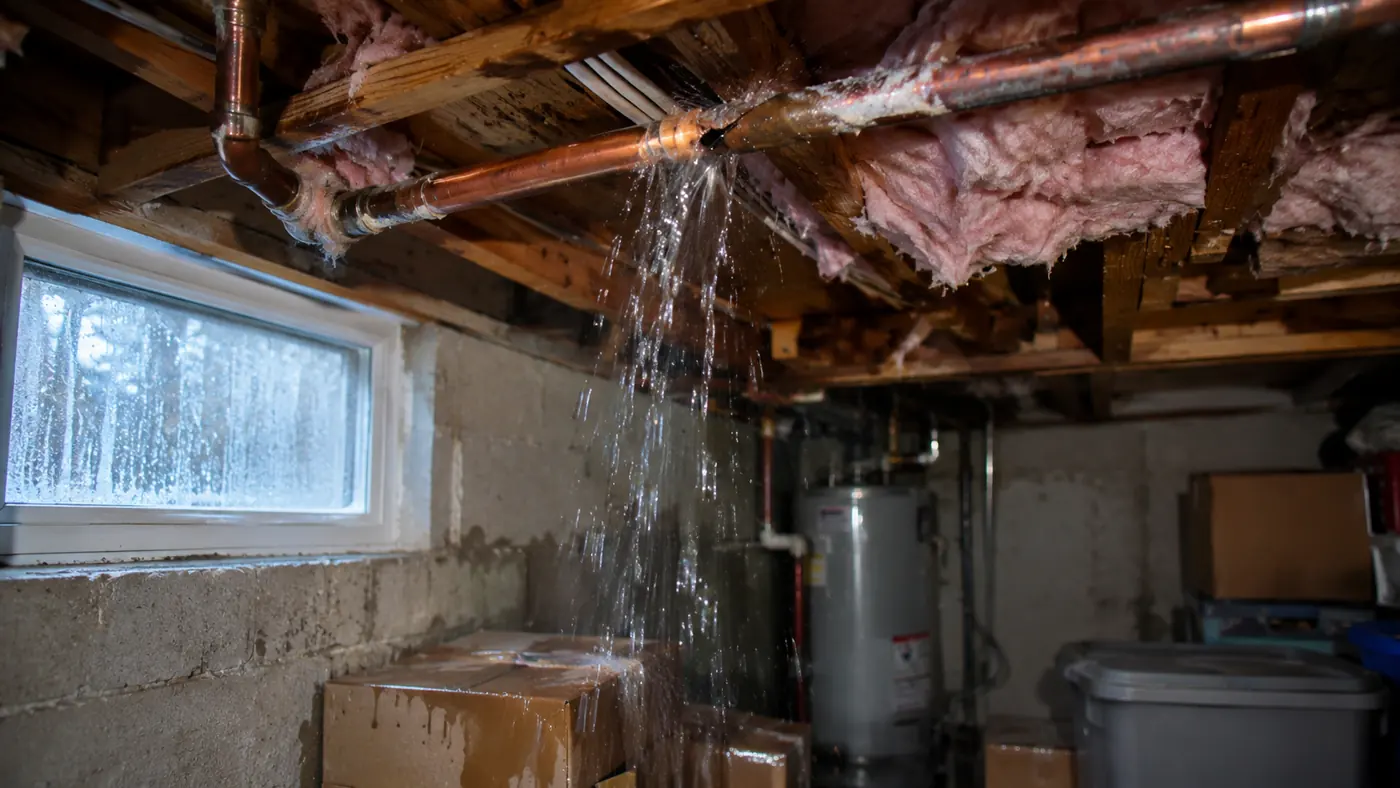
- Policies commonly cover sudden and accidental water damage and exclude slow leaks and flood. Your own policy decides.
- Start protecting the house right away. Photograph first, keep receipts and report the loss. Do not wait for the adjuster to start drying.
- Documentation wins claims: dated photos, a timeline, moisture readings and a drying log.
- Mitigation and repair are separate parts of a claim and usually separate line items.
- Know the key terms: deductible, endorsement, actual cash value and replacement cost.
- If a claim is denied, ask for it in writing, read the cited policy language and send your evidence.
The water is stopped and the floor is wet, and someone has asked whether the insurance company has been called. This guide walks through a water damage claim in plain language: the vocabulary, what homeowners policies usually cover and exclude, what to do in the first day, what to document, how adjusters look at a loss, how a claim moves from report to payment, and what to do if a claim is denied or reduced.
A plain disclaimer. This is general information, not insurance, legal or professional advice. Coverage is decided by your policy and your insurer, and policies differ by company, by state and by year. Use this guide to know what to ask and what to keep. Read your own policy and talk to your agent.
The vocabulary of a claim
Much of the confusion in a claim comes from terms that sound alike. These are the ones that matter most.
- Deductible
- The amount you pay before the insurer pays. It can be a flat amount or a percentage of coverage, and it may differ for certain events.
- Dwelling coverage
- Pays to repair or rebuild the house structure after a covered loss.
- Personal property coverage
- Pays for belongings such as furniture and electronics after a covered loss. It often has its own limits.
- Additional living expense
- Covers extra costs of living elsewhere, such as a hotel, when the home is unlivable after a covered loss.
- Endorsement or rider
- An add-on that changes the policy, such as water backup coverage.
- Actual cash value
- Replacement cost minus depreciation. Pays what an item was worth at the time of the loss.
- Replacement cost value
- What it costs to replace an item with a new one, without subtracting depreciation. Some policies pay this after the work is done.
- Proof of loss
- A signed statement of what was damaged and what it is worth, which some insurers require within a set time.
- Mitigation
- Steps taken to stop further damage, such as extraction and drying. Most policies expect it.
- Mortgagee
- The lender on the home. Claim payments for the house often include the lender as a payee.
What homeowners policies commonly cover
Most standard homeowners policies cover water damage that is sudden and accidental. A supply line that splits, a water heater that fails, an appliance hose that bursts, a pipe that freezes and cracks: these are the events policies are written for. The policy usually pays for damage to the house and, depending on coverage, to belongings, and often for temporary living costs if the house cannot be lived in.
What a policy does not cover is just as important, and it is where most surprises happen.
| Type of water event | Often covered by a standard policy? | Worth knowing |
|---|---|---|
| Burst or frozen pipe, sudden | Commonly yes | Document the date it was found. Keep the broken pipe section if the plumber removes it. |
| Appliance or water heater failure, sudden | Commonly yes | The appliance itself is usually not covered, only the water damage it caused. |
| Rain through a roof damaged by a storm | Often yes | Policies often cover storm damage to the roof and the water that follows. Long-neglected roofs are treated differently. |
| Slow leak over weeks or months | Commonly no | Policies often exclude gradual damage, seepage and lack of maintenance. |
| Flood, meaning rising or surface water | No, not by a standard policy | Needs separate flood insurance, which usually has a waiting period before it starts. |
| Sewer or drain backup | Only with an added endorsement | Often an optional add-on. Check for it before it is needed. |
| Ground water seeping through a foundation | Commonly no | Often treated as flood or seepage and excluded. |
The words in the policy matter more than any summary, including this one. When it is unclear which category a loss falls into, say so when reporting it. Describe what happened and when it was found, and do not guess at causes.
Homeowner, renter and condo coverage
| Situation | Who usually covers what | Practical note |
|---|---|---|
| Owner of a house | The homeowner's policy covers the structure and belongings | Read the policy for water backup and flood |
| Renter | The landlord's policy covers the building. A renter's policy covers belongings and sometimes living costs | Report to the landlord in writing, and to the renter's insurer |
| Condo owner | The association covers the building and common areas. The owner's policy covers the interior and belongings | Check what the master policy covers and the association's rules on water damage |
| Leak from a neighbor's unit | Depends on the cause and the policies involved | Document everything and notify both insurers |
The first 24 hours
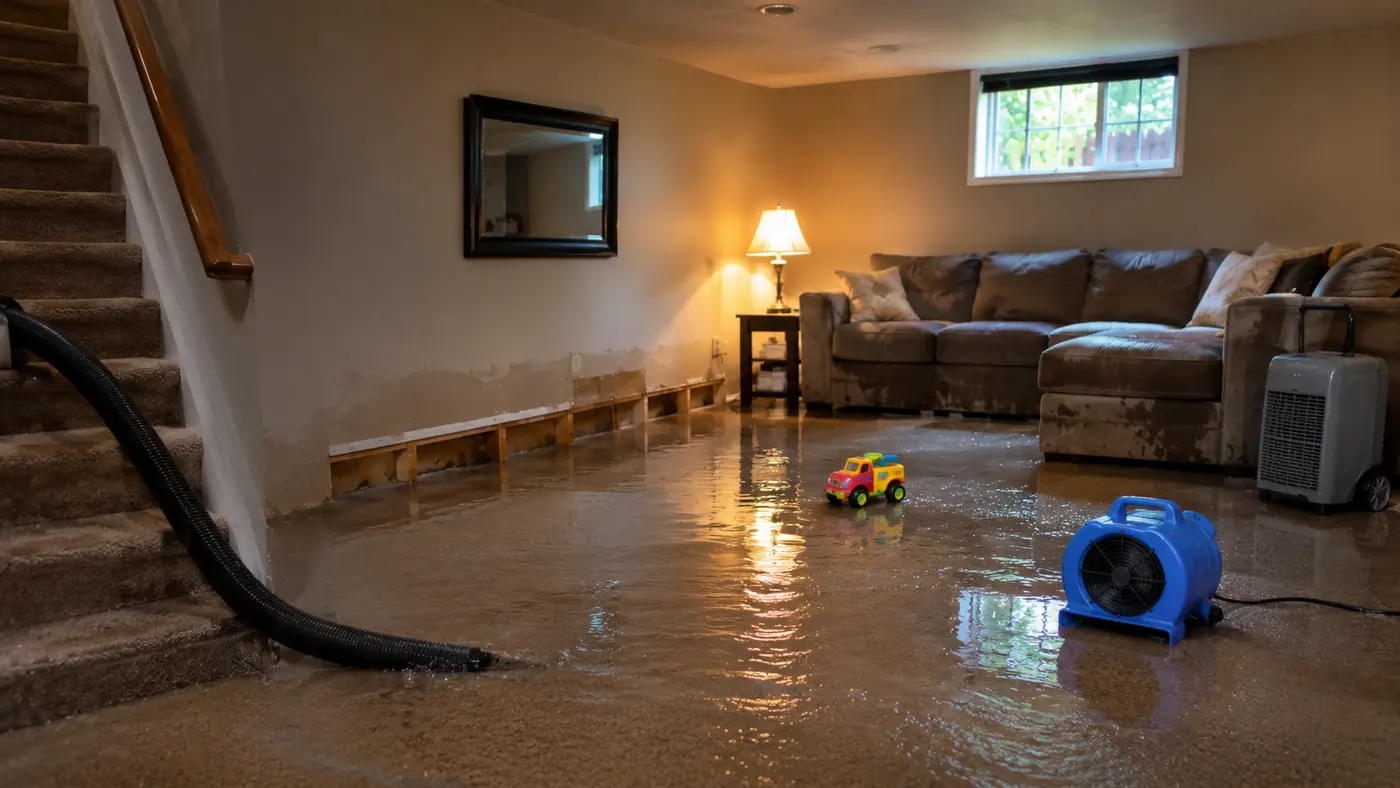
What happens in the first day affects both the damage and the claim. Most policies require reasonable steps to prevent further damage, so doing the right things first protects the house and the claim.
Stop the water
Shut off the main or the supply to the source. Turn off power to wet areas only from a dry spot.
Take photos and video
Wide and close shots of the source, the water line and the damage, before anything moves.
Report the loss
Call the insurer, describe what happened and ask what is needed.
Start drying
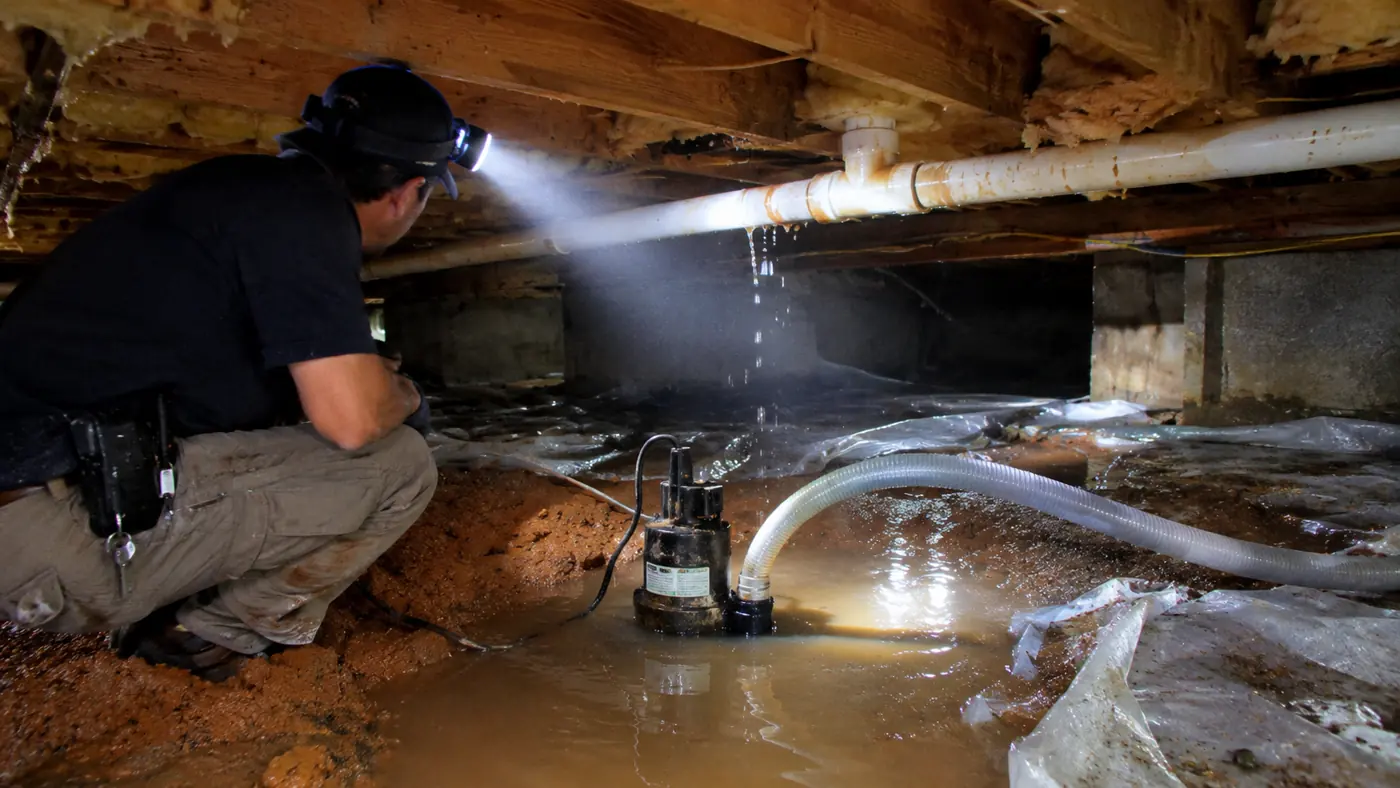
Get water extracted and drying started. Waiting for an adjuster can make the damage worse.
The fourth step surprises people. Many assume they should wait for the adjuster before touching anything. But water spreads into walls and subfloors within hours and mold can start in one to two days, so insurers generally expect mitigation to begin right away with records kept. Photograph first, then start. Keep every receipt for emergency services and equipment, because those costs are often part of the claim. The pages on water extraction and structural drying describe what that work looks like.
What to document
A claim is a record. The more complete the record, the less there is to argue about. Keep it all in one folder on a phone or computer.
Photos and video
The source, the water line on walls and furniture, damaged belongings and the rooms before cleanup.
The timeline
When the water was found, when it was shut off, and when the insurer and a crew were called.
Moisture records
Readings by room and material, taken on each visit. A crew can provide these in writing.
Drying log
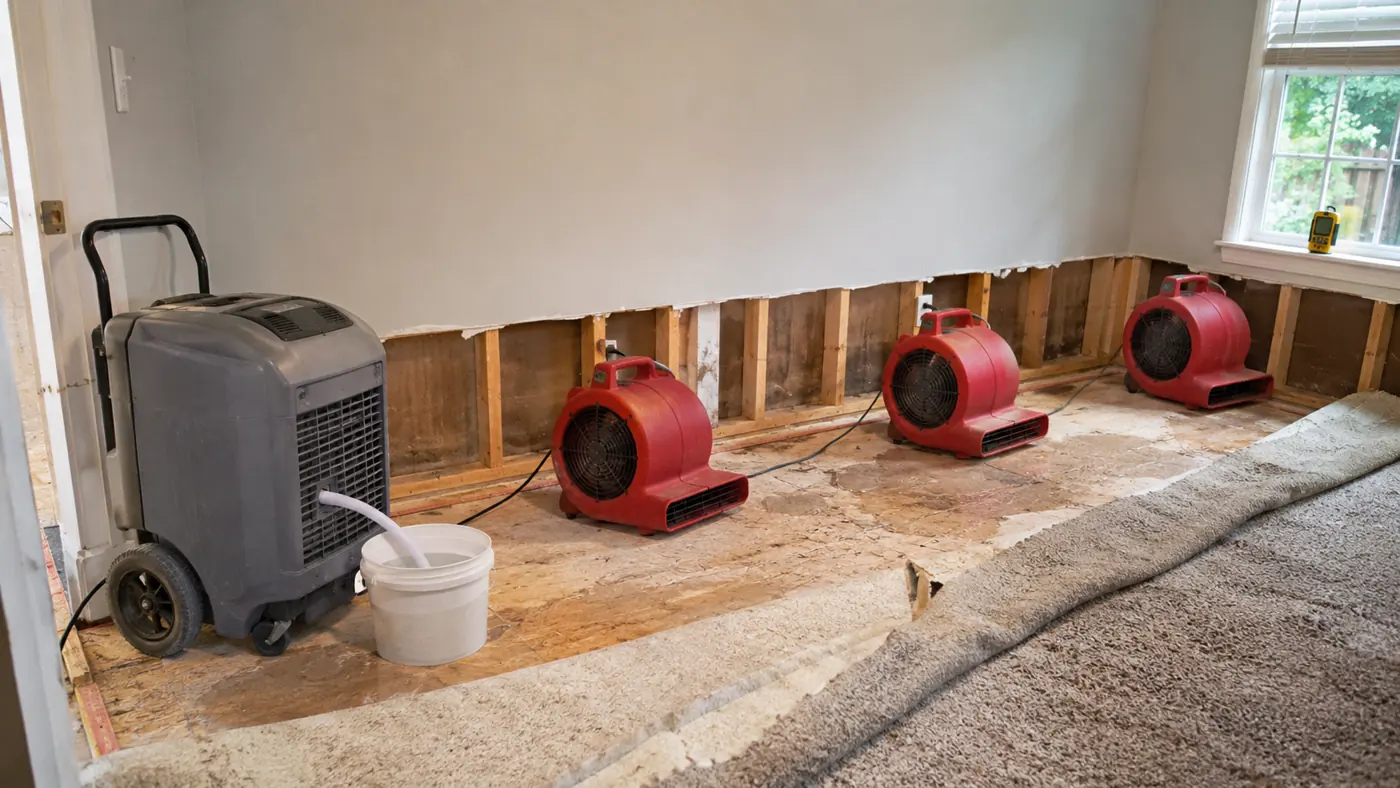
Equipment placed, run time and daily readings, so the adjuster can see how the structure dried.
A list of damaged contents
What was wet, roughly what it cost and when it was bought. Receipts and photos help.
All receipts and invoices
Emergency services, hotel stays, equipment and repairs.
Plumber or contractor notes
A written description of the cause, such as a split supply line, supports the sudden-event story.
Communication log
Dates, names and a short note of every call or email with the insurer.
How a claim usually moves
Every insurer works a little differently, but most claims follow a similar path. Timelines vary and should be checked with the insurer.
The usual path of a water damage claim
Steps and timing differ by insurer and by loss.
How an adjuster looks at a water loss
An adjuster is trying to answer three questions: what caused the water, how long it was there, and what it damaged. Expect questions about the date the water was found, a look at the source, and a request for proof of how long the water sat. They compare the damage with the explanation. A sudden pipe burst leaves a certain pattern. A slow leak leaves another, with long-term staining, rot or mold. This is why the date and the photos matter.
The adjuster's estimate and a contractor's scope are often different numbers. The insurer uses its own pricing. A contractor uses what the job actually requires. When they differ, supply the moisture logs and ask the adjuster to explain the gap in writing. A written scope of what was removed and why helps both sides.
Mitigation and repairs are two different bills
Many claims have two parts. The first is mitigation: extraction, drying, removal of wet material and cleaning. This is urgent and usually starts within hours. The second is repair: new drywall, paint, flooring and trim. This starts once the structure is dry. Insurers often handle these as separate line items, and it helps to keep the paperwork separate too.
The same company can do both, or the owner can choose a separate contractor for repairs. Owners generally have the right to choose their own contractor, and the insurer does not select one for you in most cases. For what the numbers look like, see the guide to water damage restoration cost.
Public adjusters and attorneys
Two kinds of professionals sometimes enter a larger claim. A public adjuster works for the policyholder, not the insurer, to document the loss and negotiate the claim, usually for a percentage of the payment. An attorney who handles insurance claims advises on disputes and denials. Neither is needed for most small and medium water claims. They are worth considering when a loss is large, when a claim is denied or underpaid and the owner disagrees, or when the policy language is in dispute. Fees and rules vary by state, so ask about them before agreeing to anything.
Common mistakes that hurt a claim
- Waiting. Waiting days to call the insurer or a crew lets damage spread and can complicate the claim.
- Throwing things away before photographing them. Photograph first, then dispose.
- Painting over a stain. It hides the evidence and the stain returns.
- Not keeping receipts. Emergency costs are often reimbursable only with proof.
- Guessing at the cause. Describe what was seen and let the evidence speak.
- Signing blank forms or contracts. Read everything and ask for a written scope with prices.
- Assuming everything is covered. Ask what applies to the policy and the loss.
- Missing deadlines. Policies often set time limits for reporting a loss and for submitting documents.
Should a claim be filed at all?
It depends on the size of the loss compared with the deductible, and it is the owner's decision. Filing a small claim can affect a premium or a record with the insurer, and policies and companies differ, so it is worth asking an agent how a claim would be recorded. A useful habit is to call the agent and ask before deciding. Asking a question is not the same as filing. Documentation of the drying is still useful for the owner's own records even if no claim is filed.
Special cases
Burst pipes in winter
Many policies cover sudden freeze damage, but check what steps the policy expects, such as keeping the heat on. See the burst pipe guide.
Sewage backup
Often needs an endorsement. Sewage is a health risk, so cleanup should not wait on the insurer. See sewage backup cleanup.
Storm and flash floods
Rising or surface water is flood, which needs flood insurance. Wind and rain through a damaged roof is treated differently. See storm and flash flood cleanup.
Rental or condo
The landlord or association policy covers the building. The tenant or owner policy covers belongings. Report to both and keep records.
Mold after water
Many policies cover mold that follows a covered water event and exclude mold from long-term leaks or neglect. See mold removal.
Commercial property
Business policies have their own terms, including business interruption. See commercial water damage.
If a claim is denied or reduced
- Ask for the denial in writing, with the policy language the insurer relied on.
- Read the policy section it cites. Check whether the cause matches the exclusion.
- Gather the documents: photos, moisture logs, the timeline, the plumber's notes.
- Ask the insurer to reconsider in writing and send the evidence.
- If it is still unresolved, ask the state insurance department how to file a complaint, and consider speaking with an attorney who handles insurance claims.
Moisture and drying records often decide a dispute about how long water sat and how far it spread, which is why they are worth keeping from the first day.
The same patterns show up across the nearby towns. Local notes on housing, water and terrain are on the pages for Acworth, Marietta, Woodstock, Fair Oaks, Emerson and Smyrna.
Questions people ask about water damage claims
Does cleanup have to wait for the adjuster?
No. Most insurers expect the owner to start protecting the property right away. Take photos first, keep receipts and report the loss. Waiting can make the damage worse.
Will insurance pay for water removal?
If the loss is covered, many policies pay reasonable emergency mitigation costs. Ask the insurer, and keep the invoices and logs.
Is a burst pipe covered?
Many policies cover sudden pipe bursts and exclude damage from slow leaks. The policy decides.
Is flood damage covered?
Standard homeowners policies exclude flood. Flood insurance is a separate policy, and it usually has a waiting period before it begins.
Can the owner choose the contractor?
In most cases yes. Ask the insurer whether it has any requirements for documentation or estimates.
What if there is no insurance?
Start drying anyway, because cost rises with time. Ask any company for a written scope and a clear price before work begins.
How long does a claim take?
It varies with the insurer and the size of the loss. Small, clear claims can move in weeks. Larger or disputed ones can take months. Ask the adjuster for expected timelines at each step.
About this guide. Written by the Kennesaw DryOut team for homeowners in Kennesaw and Cobb County, Georgia. It is general information, not professional, legal or insurance advice, and figures are planning ranges, not quotes. Last updated September 2, 2026.